A key principle of literary citizenship is that writers should build their community and expand their circles.
Not “network.” Not “schmooze.”
In her book Living a Literary Life, Carolyn See advises writers to send one “charming note” a day to someone in the publishing field—a writer, editor, publisher, etc. The point isn’t to ask for anything, but rather to just make a connection. These days, thanks to social media, it’s never been so easy to make those kinds of connections.
I require my Literary Citizenship students to friend or follow or email someone five times a week. Friending on Facebook, liking an Author Page, following on Twitter: these are “passive” acts. But at least once a week, they’re supposed to actually say something to somebody. Such as “I enjoy your work,” or “You published one of my favorite books,” etc.
You can find this week’s “Big Thing” post over at the Literary Citizenship blog. My friend David Walton shares his advice about book reviews: how to write them, how to sell them, and why we need them.
My husband and I have started a little website business, of sorts. We’re not looking to build or expand, mind you. We have one client, my yoga teacher/massage therapist. I’ll call her Violet. She runs a studio out of her lovely historic home. I go there a few times a week and do yoga in her dining room and get acupressure massages in a little room off the kitchen. Violet’s been doing this work for over 30 years, and working with her has made a big difference in my life.
The Findability of Violet
I only found Violet because a friend of mine, Nancy, introduced me. I would never have found Violet on my own. There would have been no way to find her.
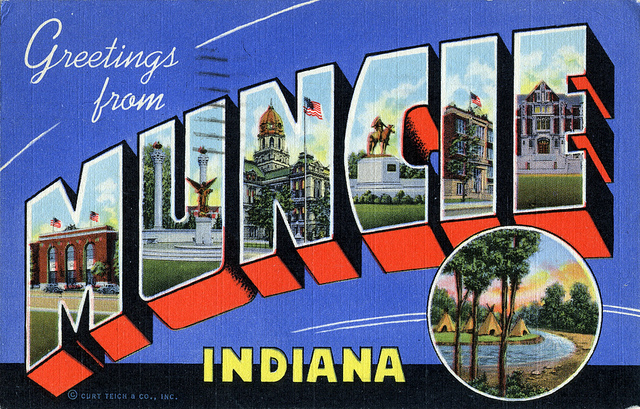
From the image search “Yoga Muncie”
See, I knew Nancy did yoga, but I didn’t know where. So I Googled “Yoga Muncie.” This made me very depressed.
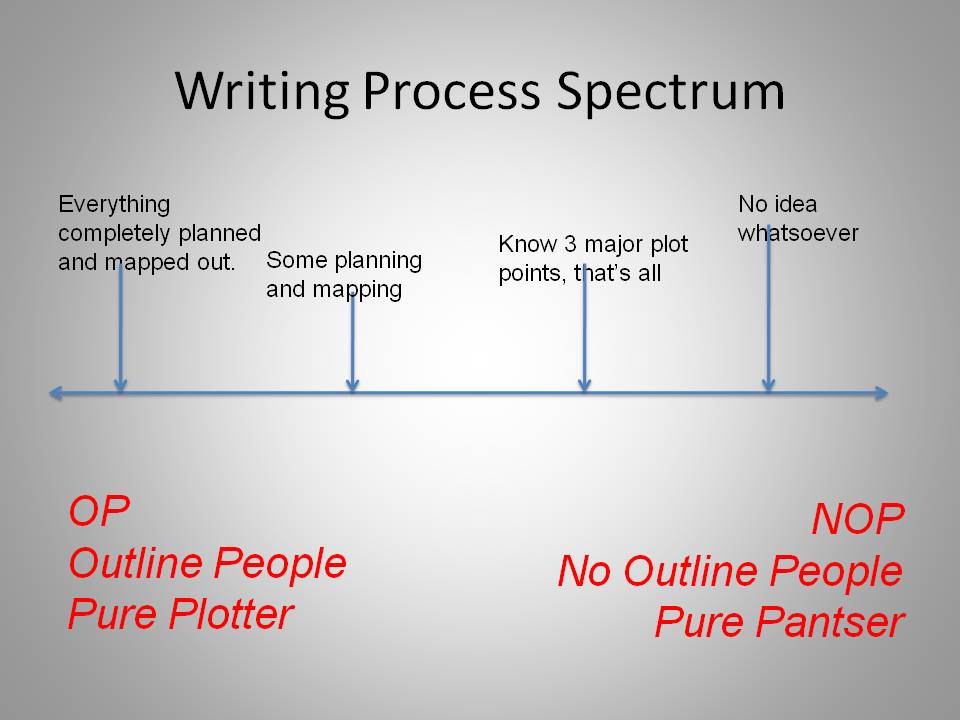
This week, my novel writing students have to think about whether or not they are “Outline People” or “No Outline People,” or (more likely) something in between. I decided to write about this, too.
What’s my process?
I’m probably on the left side of the spectrum….
Here’s how I know I’m a plotter.
This is how I taught myself to write a novel. By writing a nonfiction novel rather than a fictional one, I didn’t have to “make up” plot. Actually, I had more plot than I knew what to do with.
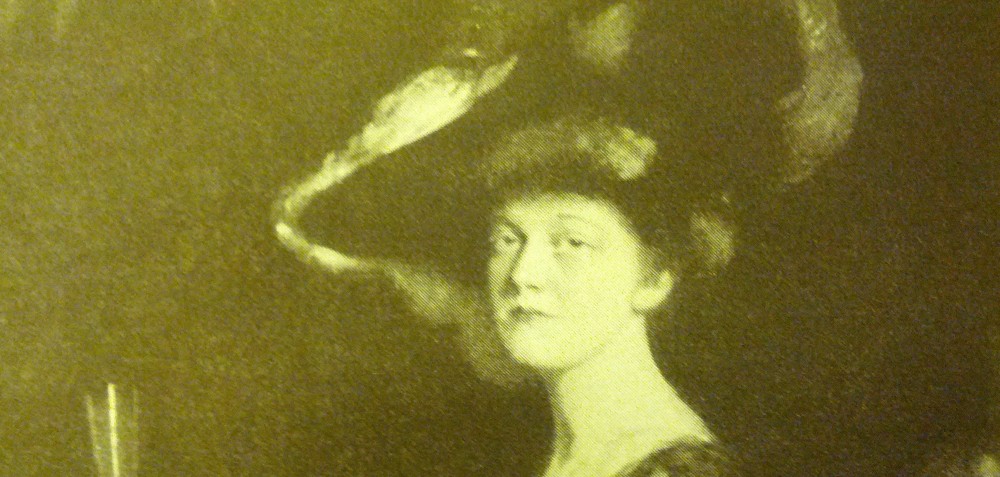
Before she was Mrs. Cole Porter, she was Mrs. Edward Thomas
I’ve been “tagged” in the Next Big Thing Blog Hop (this meme-type thing that’s been making the rounds) by writer/editor Jill Talbot (who was tagged by Barrelhouse editor Tom McAllister, who was tagged by writer Katherine Hill, etc.).
I have never met Jill Talbot IRL, but we like to talk about the hazy line between fiction and nonfiction. She edited the anthology Metawritings and was kind enough to include me.
(I think she’d like that I describe my WIP as “nonfictional fiction.”)
What is your working title of your book (or story)?
Mrs. Cole Porter
Where did the idea come from for the book?
Cole Porter and I share the same hometown, Peru, Indiana.
What genre does your book fall under?
I like to think of it as nonfictional fiction. A biographical novel.
Which actors would you choose to play your characters in a movie rendition?
Well, Cole and Linda have already been played by Cary Grant and Alexis Smith (Night and Day, 1946) as well as Kevin Kline and Ashley Judd (De-Lovely, 2004).
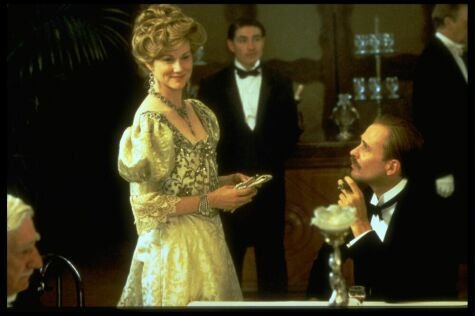
Whoever plays Linda in an adaptation of my book would have to be able to play her both old and young. I’m going to go with Laura Linney, who’s already played a similar character in The House of Mirth.
Don’t you think she’d make a great Linda?
What is the one-sentence synopsis of your book?
“During the Gilded Age, poor, beautiful, and naïve Linda Lee marries the playboy son of a robber baron, a high-profile match she survives by learning important skills which she brings to her second marriage—to a talented but unknown gay composer from Indiana named Cole Porter.”
Will your book be self-published or represented by an agency?
If by this question you mean, do I have an agent? then yes, I have an agent, the amazing Sarah Burnes at the Gernert Company.
How long did it take you to write the first draft of your manuscript?
Still working on the first draft.
What other books would you compare this story to within your genre?
It’s got an outer and inner frame, and there’s a bit of archival detective work going on, a bit like A.S. Byatt’s Possession.
This isn’t a novel, but it definitely inspired me: Coco Before Chanel. A possible backup title to my book might be Linda Before Cole. Or Cole Because of Linda Before Cole.
Who or what inspired you to write this book?
There’s a little-discussed anecdote in every Cole Porter biography: he blew up his wife’s mansion in the Berkshires when she passed away. Not only that, he moved his bachelor’s cottage onto the foundation and expanded it to the mansion that’s there today.
His biographers all say Cole did this out of grief. I have other ideas.
What else about your book might pique the reader’s interest?”
And now I’m tagging four more writers. I wanted to keep it local; these are all writers who live within an hour of my house in Muncie, Indiana. You can read about the books they’re working on next week!
I’ve been “tagged” in the Next Big Thing Blog Hop (this meme-type thing that’s been making the rounds) by writer/editor Jill Talbot (who was tagged by Barrelhouse editor Tom McAllister, who was tagged by writer Katherine Hill, etc.).
I have never met Jill Talbot IRL, but we like to talk about the hazy line between fiction and nonfiction. She edited the anthology Metawritings and was kind enough to include me.
(I think she’d like that I describe my WIP as “nonfictional fiction.”)
What is your working title of your book (or story)?
Mrs. Cole Porter
Where did the idea come from for the book?
Cole Porter and I share the same hometown, Peru, Indiana.
What genre does your book fall under?
I like to think of it as nonfictional fiction. A biographical novel.
Which actors would you choose to play your characters in a movie rendition?
Well, Cole and Linda have already been played by Cary Grant and Alexis Smith (Night and Day, 1946) as well as Kevin Kline and Ashley Judd (De-Lovely, 2004).
Whoever plays Linda in an adaptation of my book would have to be able to play her both old and young. I’m going to go with Laura Linney, who’s already played a similar character in The House of Mirth.
Don’t you think she’d make a great Linda?
What is the one-sentence synopsis of your book?
“During the Gilded Age, poor, beautiful, and naïve Linda Lee marries the playboy son of a robber baron, a high-profile match she survives by learning important skills which she brings to her second marriage—to a talented but unknown gay composer from Indiana named Cole Porter.”
Will your book be self-published or represented by an agency?
If by this question you mean, do I have an agent? then yes, I have an agent, the amazing Sarah Burnes at the Gernert Company.
How long did it take you to write the first draft of your manuscript?
Still working on the first draft.
What other books would you compare this story to within your genre?
It’s got an outer and inner frame, and there’s a bit of archival detective work going on, a bit like A.S. Byatt’s Possession.
This isn’t a novel, but it definitely inspired me: Coco Before Chanel. A possible backup title to my book might be Linda Before Cole. Or Cole Because of Linda Before Cole.
Who or what inspired you to write this book?
There’s a little-discussed anecdote in every Cole Porter biography: he blew up his wife’s mansion in the Berkshires when she passed away. Not only that, he moved his bachelor’s cottage onto the foundation and expanded it to the mansion that’s there today.
His biographers all say Cole did this out of grief. I have other ideas.
What else about your book might pique the reader’s interest?”
And now I’m tagging four more writers. I wanted to keep it local; these are all writers who live within an hour of my house in Muncie, Indiana. You can read about the books they’re working on next week!
If you focus on the stuff that matters to you, everything else will fall into place: finding readers, an audience, your tribe. Pay attention to what you Tweet and share on Facebook.
Maybe that’s the material you should be blogging about. Every time you share an article or tweet or retweet a link, you’re microblogging. Why not blog-blog it? Take a few extra minutes and say something about that link and you’ve got a blog post. I was on Facebook for a few years before I started blogging. I thought, What the hell do I have to blog about? After about a year or so on Facebook, I found that most of my friends were other writer/teachers. People I worked with. People I’d gone to school with. People the people I worked with had gone to school with. Continue reading →
#amnoveling, which I use for my novel-writing class. (Go there now and read my students’ posts about their favorite novels and their writing regimens.)
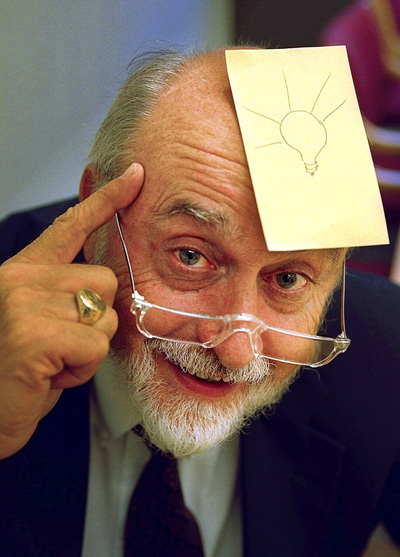
A long time ago, I was asked to be a part of a study about Creativity. I’m not supposed to reveal who sponsored this study, but suffice it to say it was well funded. Let’s call them the Company.
The Company sent me 50 poems, 50 stories, and 50 essays by 8th graders and said, “Using whatever criteria you desire, arrange each pile from Most Creative to Least Creative. In the top right hand corner, write a big ‘1’ on the Most Creative piece and so on down to 50. Then send the stacks back to us.” Continue reading →