What They Wrote About: This Novel-Writing Teacher Reflects

What They Wrote About: This Novel-Writing Teacher Reflects

Teaching Writing


Here are the (purposely vague) premises of all the novels my students wrote this semester. I have indicated the writer’s gender thusly: (Italics = Male writer, Regular = Female student), and I’ve grouped the descriptions to reflect the particular critique circles I formed and placed them in. Meaning students in Class 1, Group 1 read each other’s manuscripts ONLY.

Continue reading

My Students: Writing as Fast as They Can

Teaching

I want to introduce the two students who won the Total Word Count Challenge in my novel-writing classes: Sarah Chaney and Kayla Weiss. Each of these young women wrote over 42,000 words this semester, or about 3,500 words a week for 12 weeks. What’s significant about this is that they were only required to turn in 2,250 words per week—an assignment called “Weekly Words” which I talk about in detail here—but they both exceeded that amount…and then some.

Observations

I’d say that half of the students who took my class this semester walked in the door with a definite idea for a novel they very much wanted to write, and Sarah and Kayla were certainly in that group.

Continue reading

Last Lecture: “Am I a writer?”

Last Lecture: “Am I a writer?”

CW Programs Teaching The Biggest Things Writing


At the end of the semester, I give presentations in my novel-writing classes about the publishing business. Many students are seniors getting ready to graduate. Hence, they are full of anxieties. The first thing they say is: Why didn’t anyone teach us about this sooner!

This is what I tell them.

Continue reading

How to talk about a WIP

How to talk about a WIP

Teaching

To my novel-writing classes,

Next week, you’ll meet with your small group and talk about 25-50 pages of  your WIP (work-in-progress), the novels you’ve been working on this term. This is the moment when a lot of novels fizzle out, but it’s also the moment when a lot of novels get a much-needed vote of confidence.

My book, The Circus in Winter, got that kind of boost back in 1993. I describe that workshop in full here.

Forty-five minutes of productive discussion, and I walked out with pages of scribbled notes, stories crystallizing in my brain, and boom, I was off.

I was lucky.

Typically, students want to prescribe. They want to talk about what’s not working. It’s up to the instructor to create the default setting, to frame the workshop so that big things can be brought to the table and discussed meaningfully.

Continue reading

Novels vs. Stories in MFA Programs Survey Results

Novels vs. Stories in MFA Programs Survey Results

CW Programs Teaching

My plan was to release the survey results one question at a time via ruminative blog posts like this one on whether MFA programs are “anti-novel” or not and this one on the “professionalization” question.

But I’ve changed my mind. Many people wrote to me privately and said, I want to see the results! I’m curious! 

Also, I’m going to be under the weather for the next few weeks.

So: here are the results of my Novel in MFA Programs survey.

The faculty results.

The student results.

Tell me what you find interesting, surprising in these results, and when I’m back to my desk, I’ll talk about it!

Should we make it our business to teach the business of being a writer?

Should we make it our business to teach the business of being a writer?

CW Programs Teaching

Writing as craft and writing as business

Here’s the question I asked both MFA faculty and students on the survey.

MFA programs should avoid “professionalization” and “business” issues related to the writing life, such as discussions of the market and what sells.

And here are the results:

Continue reading

How I Answered the AWP Survey

How I Answered the AWP Survey

CW Programs Teaching

Take the survey! You have until March 22. It’s important. I filled it out the other day, and I found that I had so much to say in that little comment module I decided to cut and paste it into a document and share it with you. FYI: I also provided my email address on the survey, so I didn’t say all this stuff to them anonymously.

[Question 21. We welcome any additional comments, feedback, and suggestions you would like to share with us through this survey or at conference@awpwriter.org.]

Continue reading

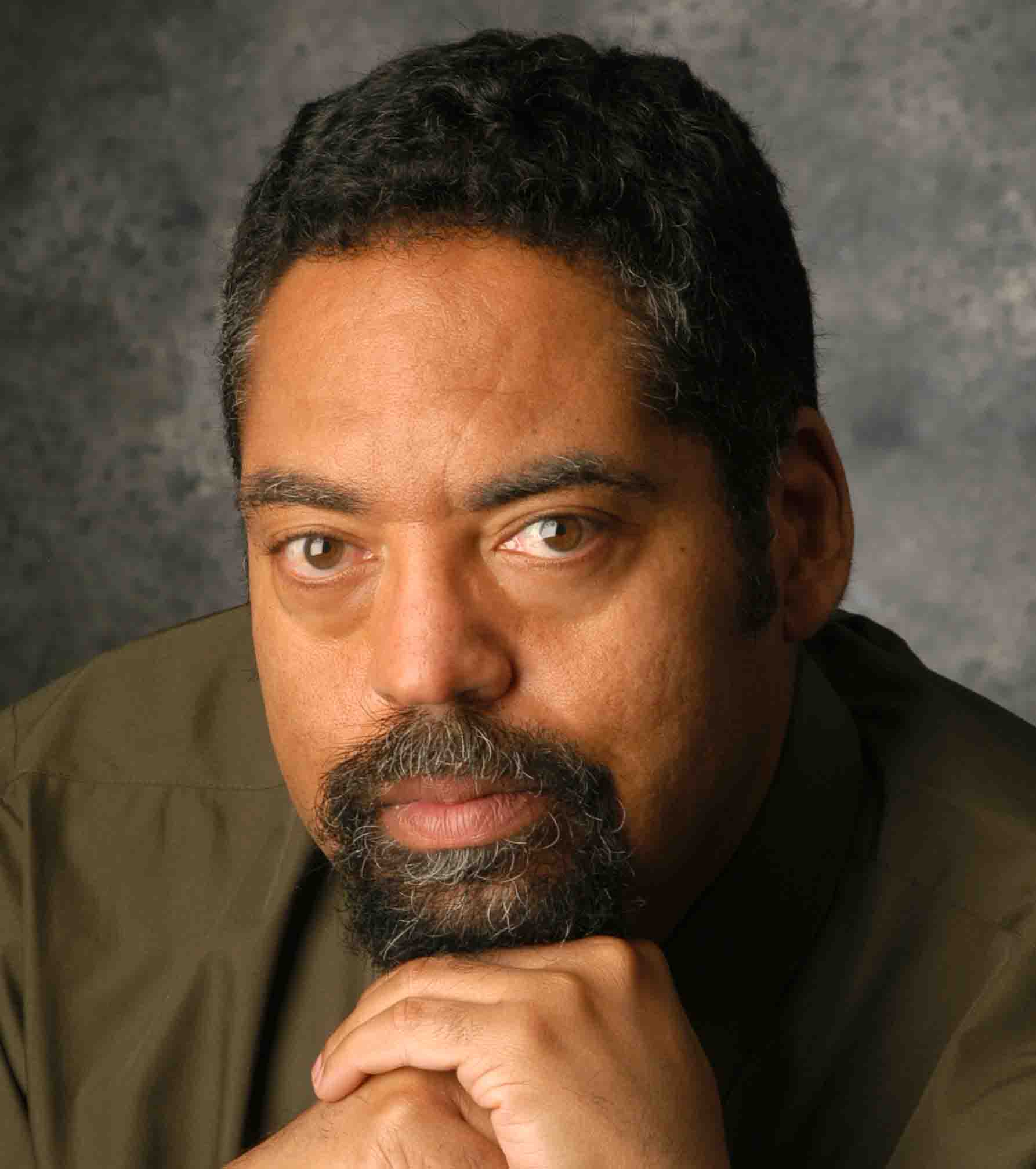
David Haynes: “My goal is to produce novelists, not novels.”

David Haynes: “My goal is to produce novelists, not novels.”

CW Programs Teaching The Biggest Things

This is important: no matter what Chad Harbach and John Stazinski say, my little informal survey did NOT indicate that MFA programs concentrate solely on short stories. They are not “anti-novel.” At least not on purpose anyway. The perception that they are “against novels” (discussed here) is a product of the fact that they try to fit novels into a workshop pedagogy that’s built to accommodate shorter forms.

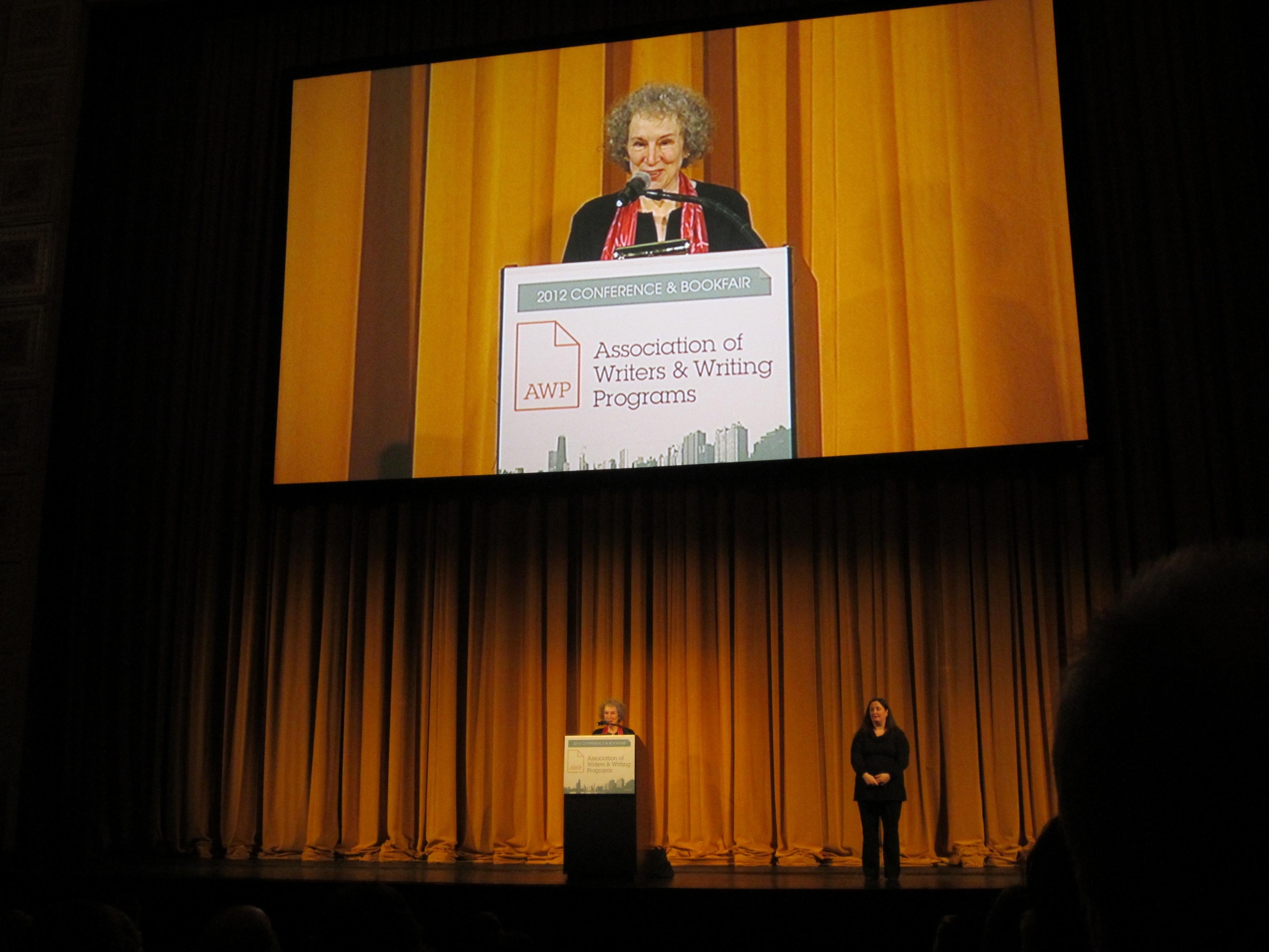
A lot of people showed up for the panel “A Novel Problem” at AWP 2012. David Haynes told the packed room at the Chicago Hilton that it’s not just a question of whether or not individual instructors “allow” novel chapters to be brought to workshop. It’s this: Do the primary pedagogies of workshop serve novel writing?

Exactly.

Continue reading

Survey Results: 56% say MFA favors story over novel

CW Programs Teaching Writing

It is possible to teach novel writing in MFA programs, and many do. My panelists (David Haynes, Patricia Henley, Sheila O’Connor, and Elizabeth Stuckey-French) prove it here, by sharing their syllabi with you. You’ve got everything you need to design your own novel-writing course. You’re welcome!

Opening Remarks: “A Novel Problem: Moving from Story to Book in the MFA Program.”

About a year ago, I submitted an essay to The Millions titled, “The Big Thing: 10 Thoughts on Moving from Story to Book,” which the editors were kind enough to publish, but with a more provocative headline: “The Story Problem: 10 Thoughts on Academia’s Novel Crisis.”

The essay touched a nerve. I got a lot of reactions, from faculty and from students in both residential and low-res programs, and from people who opted not to pursue an MFA because they felt programs were “anti-novel.”

They are not alone in this opinion. Continue reading

Novel-Writing Class Best Practices

Novel-Writing Class Best Practices

Teaching

If you’d like to teach a class in novel-writing but don’t know how, have no fear. My panel is here!

David Haynes, Patricia Henley, Sheila O’Connor, Elizabeth Stuckey-French, and I have all taught the course, and we’ve compiled a Best Practices handout: syllabi, exercises, and other resources to guide you on your way.

Some of us focus on the early stages of writing a novel–generating ideas, writing a summary or treatment, studying published books as models, getting scenes on the page–while others focus on later stages and include all-group workshop of novels in progress. There’s 16 pages of material here, and we hope you find something that works for you.